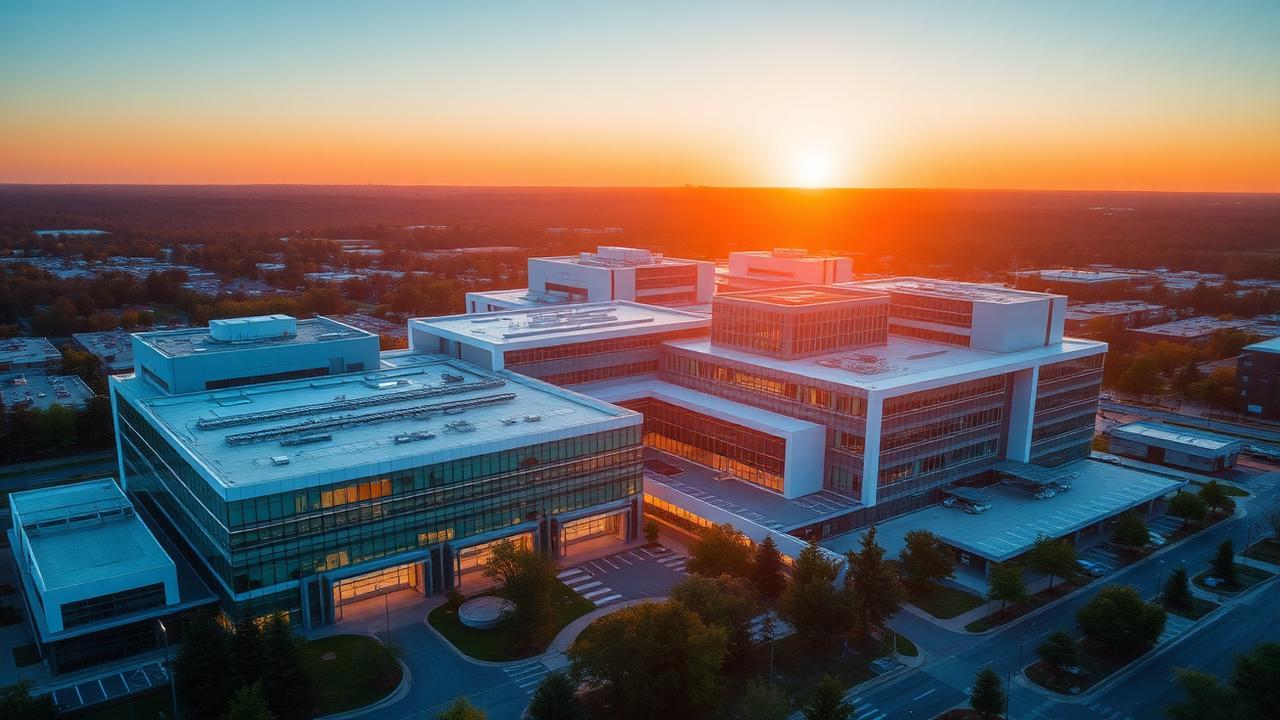
Most funds raise capital and then go looking for deals. Veracor Capital spent 20 years building KureCare, EliteMD, Pure Pak, and the clinical infrastructure — then formed a fund to scale what already works.
Save this article for later
Download a professionally formatted PDF to read offline or share with colleagues.
<p>There's a question every LP should ask before writing a check: <strong>"Did you build this, or did you buy it?"</strong></p>
<p>At Veracor Capital, the answer is unambiguous. We built it. Every company in our portfolio — KureCare, EliteMD, Pure Pak, the Kure Health platform — was created, operated, and scaled by our team before we ever formed a fund.</p>
<h2>The Fund Didn't Come First. The Work Did.</h2>
<p>In 2005, Kenton Gray wasn't raising capital. He was in the clinic. He was developing what would become Signal-Based Medicine — a methodology that treats the root cause of chronic disease rather than managing symptoms. Over the next 15 years, that methodology would be tested on more than 47,000 patients with a 95% clinical success rate.</p>
<p>That's not a pitch deck number. That's a clinical track record built patient by patient, year after year.</p>
<p>By the time Veracor Capital was formally established in 2022, the portfolio companies already existed. KureCare was generating revenue. EliteMD had a national network. Pure Pak was manufacturing at scale in a 150,000 sq ft FDA-registered facility. The fund wasn't created to find deals — it was created to provide growth capital to companies with proven operations.</p>
<h2>2025: The Intentional Build Year</h2>
<p>We're transparent about where we are. 2025 was a build year — by design, not by accident.</p>
<p>KureCare, operating as a division of Max Health LA, generated <strong>$4.6 million in revenue</strong> in 2025. That's not venture-scale yet, but it's real revenue from real patients with real outcomes. It's the foundation.</p>
<p>RIIZE STRIPS had a strong first year in 2024, generating <strong>$3.6 million in revenue</strong> as a prescription-only product. But the team made a strategic decision: pivot to direct-to-consumer. That meant 2025 was a retooling year — rebuilding the go-to-market strategy, reformulating for DTC distribution, and preparing for a nationwide launch in 2026.</p>
<p>KureOS, our AI-powered clinical decision support platform, entered development. The Women's Empowerment Fund was structured. The multi-fund strategy was architected.</p>
<p>Build years aren't glamorous. But they're necessary. And every operator knows the difference between a company that skips this phase and one that gets it right.</p>
<h2>The People Aren't New — Even If the Fund Is</h2>
<p>Veracor Capital is a young fund. We own that. But the people behind it have two decades of operational healthcare experience. Kenton Gray didn't come from Wall Street — he came from the clinic, the manufacturing floor, and the operating room of building healthcare companies from zero.</p>
<p>He's a U.S. Army veteran who built a career in healthcare innovation, not financial engineering. The fund exists because the companies needed growth capital, and the team believed institutional investors deserve access to a portfolio with real operational proof — not just a thesis and a term sheet.</p>
<h2>What This Means for Investors</h2>
<p>The risk profile of Veracor Capital is fundamentally different from a typical emerging manager:</p>
<ul> <li><strong>Revenue-generating assets today</strong> — not pre-revenue promises</li> <li><strong>20 years of clinical validation</strong> — not untested science</li> <li><strong>Vertically integrated supply chain</strong> — from formulation to manufacturing to distribution</li> <li><strong>Founder-operator alignment</strong> — the GP built the portfolio before raising LP capital</li> </ul>
<p>We're not asking investors to bet on an idea. We're asking them to back an ecosystem that already works — and help us scale it.</p>
<h2>2026: The Launch Year</h2>
<p>Everything we built in 2025 ships in 2026. RIIZE goes DTC nationwide. KureOS enters clinical pilots. The Reg CF filing opens retail investor access. The multi-fund strategy goes live.</p>
<p>The foundation is laid. The companies are real. The patients are healed. Now it scales.</p>
Save this article for later
Download a professionally formatted PDF to read offline or share with colleagues.
Important Disclosures
This guide is for informational and educational purposes only. It does not constitute investment, tax, or legal advice. Accredited investor status should be verified with qualified professionals.
Private investments involve significant risks including loss of principal, illiquidity, and lack of transparency. Past performance does not guarantee future results.
Securities offered to accredited investors only through properly registered broker-dealers.
Last updated: January 2026
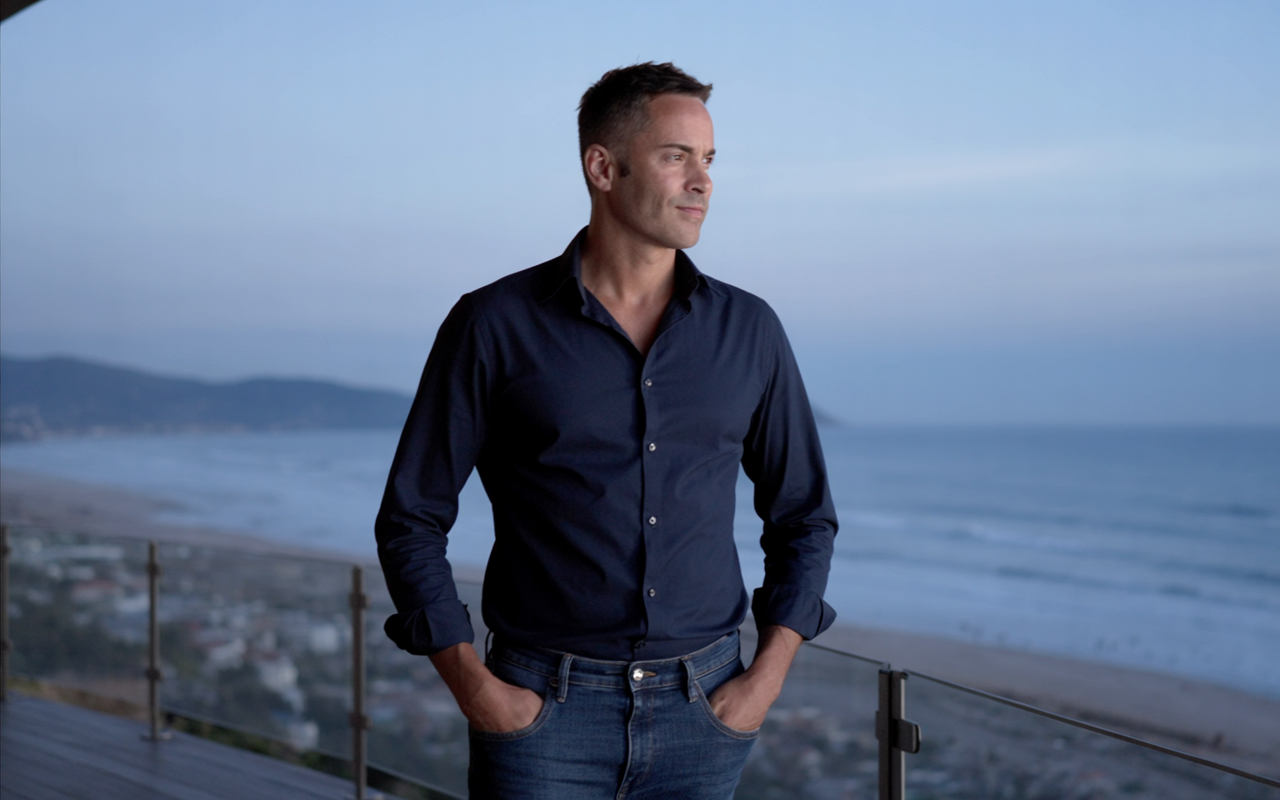
Kenton Gray
Founder & CEO, Veracor Group
Healthcare visionary, veteran, and author. Founder of Veracor Group and architect of Signal-Based Medicine.